Taking Control Of Your HIV Status
Human immunodeficiency virus (HIV) is still a concerning epidemic. While strides have been made to curb infections, over 30,000 new cases occur in the US yearly. Some states, like Texas, have over 4000 new infections, especially among youth and minorities. HIV prevention, therefore, is a priority for many states and special interest groups. More importantly, HIV prevention is something that helps individuals feel empowered. Taking control of one’s HIV status is possible with simple, healthy, and consistent habits. These habits are especially important for individuals with a higher risk of contracting the disease. HIV prevention can sound like a difficult, overwhelming process. Thanks to resources and accessibility, staying safe is easier than ever. Knowing these 3 facts about HIV prevention helps at-risk individuals stay safe and even contributes to ending the epidemic.
1. There is power in testing
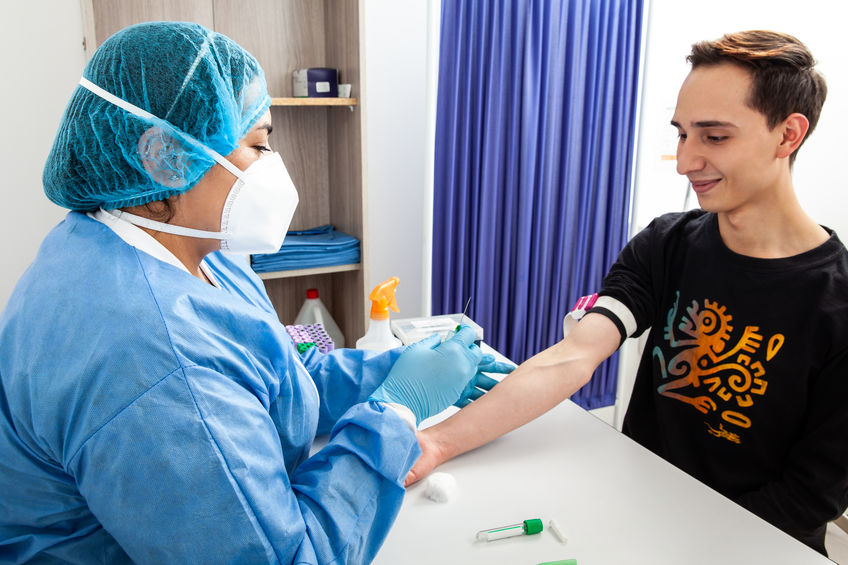
Knowing one’s status is the easiest way to prevent HIV infections while keeping loved ones safe. Testing helps medical professionals identify patients with the disease and provide quick, effective treatment. More importantly, HIV testing helps everyone live a healthy life. There are multiple ways to test, from at-home oral swab tests to more complex blood tests. Doctors recommend getting tested at least once, with high-risk individuals aiming for testing every 3-6 months. Testing is no longer an expensive, unattainable process. Some clinics and healthcare providers have free or inexpensive testing and resources. Individuals who are tested regularly take fewer risks, have more honest relationships, and stay healthier for longer.
2. PrEP your way to protection
Sometimes, testing alone is not enough for HIV prevention. Some groups, like individuals with multiple sexual partners or LGBTQ+ individuals, have a higher risk of HIV infection. Thanks to strategies like pre-exposure prophylaxis (PrEP), HIV prevention is even more effective. PrEP is a prescription medication that prevents HIV infection with 99% effectiveness. The daily medication produces enzymes and antibodies in advance that can intercept the virus in the event of contact. PrEP can also be used on demand if there is a risk of infection. Individuals who take PrEP take full ownership of HIV prevention. The drug is a proactive, empowering approach to health and wellness.
3. Prevention is a team sport
HIV prevention can sound like an individual’s sole responsibility. While in some cases, individuals must take the first step to information and testing, prevention involves multiple groups. Communities must have open, healthy discussions about HIV so everyone can feel safe discussing the disease. Friends and family must support individuals regardless of status. When testing and PrEP are cost-effective and available, more individuals will partake in these resources. Governments, healthcare sectors, and advocacy groups must come together to support HIV testing and treatment. Prevention, therefore, happens on multiple levels. When everyone has a robust system for preventing the spread of HIV, empowerment and advocacy grow.
Feel healthy, powerful, and proud
HIV prevention is a personal pursuit in many ways. At the same time, some resources and strategies are necessary for prevention to be effective. HIV testing is at the forefront of prevention. When individuals have access to testing, safe practices are encouraged. Adding PrEP and stigma-free spaces to talk about HIV makes prevention even easier. With prevention as a priority, the goal of ending the epidemic is closer. Best of all, individuals feel empowered, can have more fulfilling relationships, and have a better quality of life.
Recent Posts



Have You Seen Our Outreach Efforts?
You may have seen our table ads in the community. You can download them here: