Teens Need HIV Prevention Guidance Too
Teens and young adults are often unaware of the importance of human immunodeficiency virus (HIV) prevention. This is understandable, as teens are growing, building relationships, and having fun during a formative part of life. Many try or experiment with sex. Some even engage in risky sexual practices but are unaware of the realities of HIV. Knowing about HIV prevention helps to reduce the risk of acquiring or transmitting the disease. More importantly, the next generation can stay safe, thrive, and become advocates of the future.
Why teens need to know about HIV
Teens have a high risk of infection. Statistics show that 21% of new infections occur between ages 13-24. This group is especially vulnerable due to a lack of awareness and information. Teens are unaware of the risk, and low testing from this group can lead to higher HIV infection rates. Some are sexually active while not practicing safe sex. Additionally, experimenting with alcohol or drugs before sexual intercourse increases the risk even further. When teens become more aware of the dangers of HIV infection, there is not increased fear but better decision-making. Knowing about testing, pre-exposure prophylaxis (PrEP) use, and safe sex practices, the cornerstone of prevention, lead to better health outcomes.
Testing 101
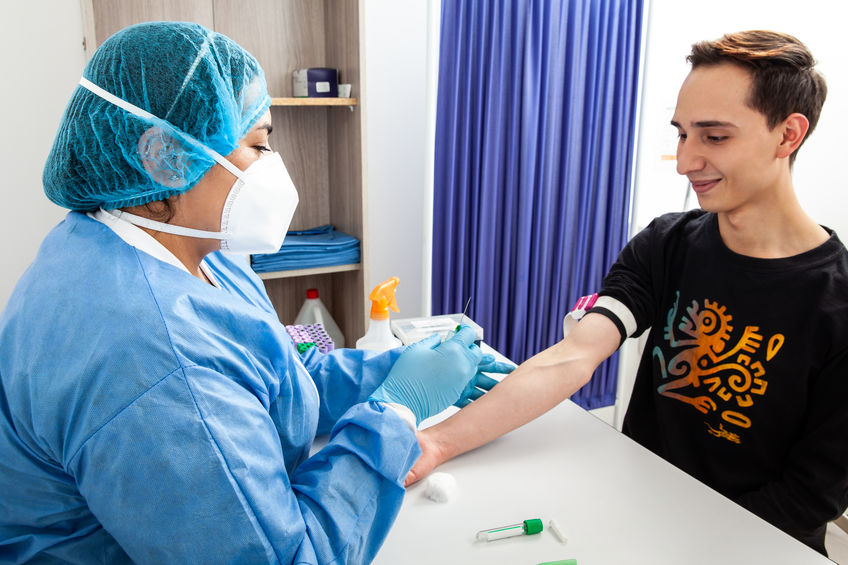
Teens should first be aware of the power of HIV testing, which checks to determine the presence of the disease in the body. Tests are essential to knowing one’s HIV status. Without testing, teens are at risk of acquiring or transmitting HIV to others. Testing is simple, accessible, and even free in some situations. There is the option of an antibody test, nucleic acid test (NAT), or an antigen test. Rapid testing and at-home tests are antibody tests. With an oral swab or finger prick, the results can come quickly. Antigen and NAT tests require blood tests or finger pricks to get more detailed results. Antibody and other detailed tests are recommended once yearly. Testing helps teens, especially those who engage in high-risk sexual encounters, stay as safe as possible.
Practicing safe sex
Testing is a part of the larger goal of HIV prevention. For better results, teens should understand and strive to practice safe sex. Even with testing, the risk of contracting sexually transmitted infections (STIs), including HIV, remains. Safe sex involves using a condom or other barrier methods when engaging in sexual intercourse. Having a single partner or limited partners, especially those who choose not to engage in safe sex, is another important part of sexual health. Have conversations with partners before sexual intercourse to explain any concerns about HIV transmission. If there are any symptoms of STIs, refrain from having sex and immediately seek medical advice.
An extra step with PrEP
Some high-risk individuals still need additional support against HIV transmission. Medication like PrEP can help. Pre-exposure prophylaxis is a drug that prevents HIV transmission. The oral or injectable drug places enough antibodies in the body before exposure to HIV. The virus then cannot replicate and potentially infect the individual. A doctor will recommend PrEP if the individual is at risk of contracting HIV. Examples include inconsistent safe sex practices with multiple partners or in same-sex male relationships. People who inject drugs (PWID) or individuals with a known HIV+ partner should also take PrEP. The oral drug must be taken daily to build the antibodies necessary to be effective. PrEP is a prescription drug but can be acquired with the support of doctors, pharmacists, and other healthcare providers at a reasonable cost.
Stay in the loop and safe
Teens who are aware of the risks and dangers of HIV can feel confident and empowered. Information is enough to help teens make better decisions that can reduce HIV infection rates. Some teens also become advocates, sharing information with friends and loved ones who need support and guidance. Practice safe sex, get tested, and use PrEP in high-risk situations.
Recent Posts




Have You Seen Our Outreach Efforts?
You may have seen our table ads in the community. You can download them here: