Staying Safe Is Sexy
Sexual health and confidence go hand in hand. Having healthy sexual relationships with partners can impact quality of life. Safe can sound boring, but this does not mean sacrificing intimacy, pleasure, or connection. This simply means that while individuals explore, experience, and have fun, there are tools to stay safe. Human immunodeficiency virus (HIV) prevention today is more effective, accessible, and empowering than ever before. Resources and options can be seamlessly integrated into life without killing the mood. Modern testing options, preventive medications, and open communication are some of the 5 tips for healthy HIV prevention. When done effectively, individuals can enjoy healthy, fulfilling sex lives while reducing risk.
1. Make testing part of your routine
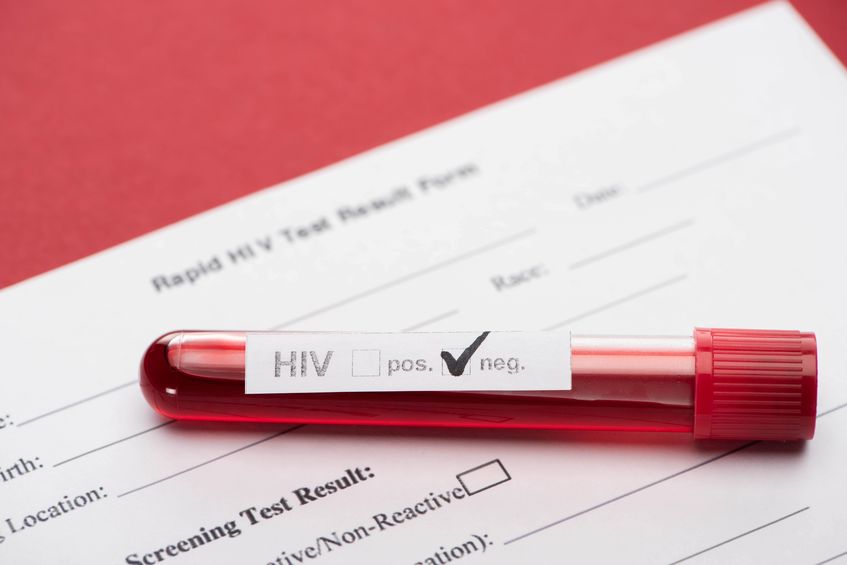
HIV testing is the best way to stay safe and healthy while still enjoying intimacy. Many people with HIV can be asymptomatic and feel healthy for years. Getting tested with partners before sex reduces anxiety and creates a healthier, trusting space. Doctors recommend HIV testing at least once a year. For sexually active individuals, especially those with new or multiple partners, testing every three to six months may be appropriate. Include testing as part of a standard checkup or get rapid testing as part of a self-care routine. Routine testing shifts HIV care from reactive to proactive.
2. Know about PrEP for prevention
Statistics show there is a growing awareness of pre-exposure prophylaxis (PrEP), but still some limitations in use. PrEP is a prescription medication that can prevent HIV infection up to 99%. The medication provides antibodies that can intercept the enzymes that replicate and cause an HIV infection. PrEP is available as a daily pill or long-acting injection and is suitable for many people at increased risk. Individuals who use PrEP feel an extra layer of safety, protection, and peace of mind.
3. STI prevention also matters
HIV testing and PrEP cannot stop other sexually transmitted infections (STIs) from influencing the spread of HIV. STIs can increase the risk of HIV transmission by causing inflammation or breaks in the skin. Regular STI screenings should be a part of HIV prevention. Treating STIs early reduces complications, provides holistic sexual health, and lowers overall risk. Many clinics offer a full panel that includes HIV testing and STIs. Staying safe, such as condom use, also helps prevent HIV and other sexually transmitted infections.
4. Communicate openly with partners
Being open and honest about sexual health builds trust and confidence. More importantly, this reduces the risk of contracting the disease. Partners are more likely to open up, get tested, and perform safe sex practices. Discussing HIV status, testing history, and prevention before intimacy creates shared responsibility and even better relationships. Conversations of this nature can feel uncomfortable, and some individuals even avoid or react negatively to the discussion. Stay resolute, open, and honest, yet welcoming. Once partners see the benefits, healthier relationships blossom. Talking about HIV and staying informed helps normalize testing and prevention as part of adult, respectful intimacy.
5. Choose affirming, judgment-free healthcare
One of the biggest challenges of HIV care and prevention is the stigma and discrimination that remain to this day. Some spaces do not provide resources or special care for groups who are marginalized. Taking action to stay safe, regardless of race, age, or sexual orientation, should be encouraged. Research the spaces that cater to and encourage judgment-free care. From clinics to support groups, this form of welcoming healthcare encourages individuals to ask questions, seek testing, and stay proactive about HIV prevention.
Feel confident, healthy, and sexy
HIV prevention and testing are the cornerstones of ending the epidemic. From an individual’s perspective, these steps are essential to healthy sexual relationships. Taking ownership of one’s sexual health brings balance and confidence. Consistent testing, communication, and the use of PrEP when needed lead to long-term health and an HIV-free existence. Prevention is possible without sacrificing intimacy or connection.
Recent Posts




Have You Seen Our Outreach Efforts?
You may have seen our table ads in the community. You can download them here: