Action For The Teen HIV Crisis
The human immunodeficiency virus (HIV) continues to impact young people and teens. Statistics show that this group is responsible for a significant proportion of new yearly infections. Despite decades of efforts to prevent the spread of the disease, adolescents and young people are still vulnerable. There is often limited access to comprehensive sexual health education, HIV stigma, and preventative care issues. Helping the future understand and navigate HIV protection plays a role in ending the epidemic. This requires understanding of the challenges teens face and creating simple steps to save lives. From using pre-exposure prophylaxis (PrEP) to encouraging HIV testing,
How does PrEP help teens?
PrEP is a highly effective HIV medication tool that many teens are unaware can help with HIV prevention. When taken consistently, PrEP reduces the risk of HIV infection by at least 95% in sexually active individuals. The medication contains antiretroviral drugs that work to prevent HIV from establishing a foothold in the body when exposure occurs. When taken daily, via injection, or on demand, there is a higher chance of preventing HIV. Some teens may be at a higher risk of contracting the disease than others. Those with multiple sexual partners, men who have sex with men (MSM), or those with HIV+ partners have the highest risk. PrEP is a powerful tool when combined with other prevention strategies like consistent condom use or regular testing.
The critical role of testing
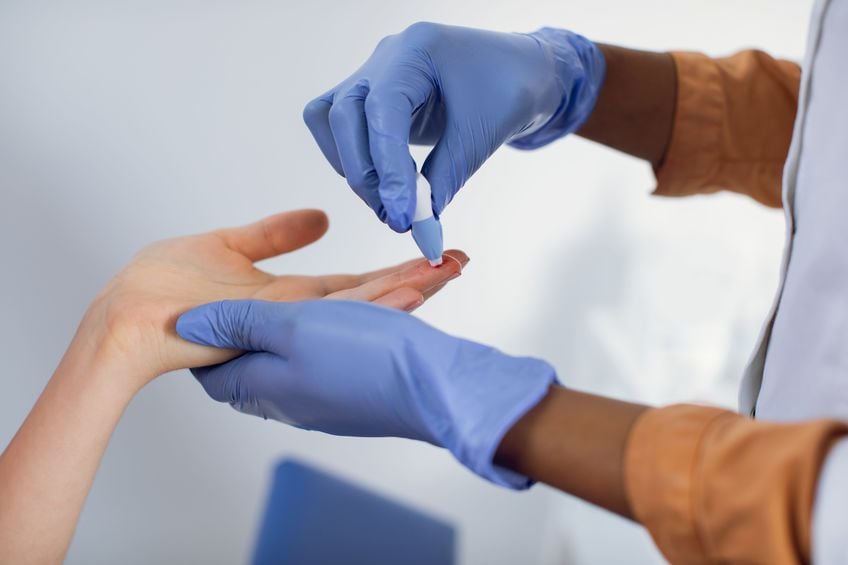
HIV testing is the best way for teens to manage their health while potentially helping to end the epidemic. Testing provides vital information while ensuring individuals stay as healthy as possible. As a gateway to care, HIV testing is the only way to get immediate access to treatment that can make the virus undetectable, preventing transmission. Regular tests, at least once yearly, protect individuals and partners. Normalizing HIV testing can reduce stigma while reducing fear and encouraging proactive health behaviors. Testing is now more accessible and highly accurate. Rapid at-home testing can provide details in 30 minutes or less. Blood tests are also available at clinics where teens can get more information on risk reduction, health resources, and PrEP.
Overcoming teen barriers
Teen HIV prevention is a crucial part of ending the epidemic, but there are still barriers preventing teens from succeeding. HIV awareness is still a challenge as access to information and prevention services is limited. Teens are worried about consent requirements, stigma from family members, and confidentiality concerns. Some teens are concerned about judgment from peers and even healthcare providers. Some communities have limited access to insurance, services, and medications, like PrEP. Making discussions a welcoming practice while encouraging confidentiality is vital for teens. Addressing these issues requires policymakers to expand services for teens. School-based initiatives, more community-based organizations, and making condoms, testing, and PrEP accessible can help teens prevent HIV infections.
A better future for teens
Ending the HIV epidemic among teens can be difficult. Teens can be resistant to testing and education as conversations can be uncomfortable. Increasing stigmas and access to resources can limit teens from achieving maximum HIV prevention. There needs to be a non-judgmental commitment from healthcare professionals, policymakers, families, and communities. Expanding access to PrEP and HIV testing is essential to prevention. Comprehensive sexual health education in school, online, and in communities helps those who are especially vulnerable. Reducing stigma ensures that all teens, regardless of sexual orientation, race, or gender identity, are equally important. Consistent use of these resources ensures that teens feel safe while contributing to the control of the epidemic.
Recent Posts




Have You Seen Our Outreach Efforts?
You may have seen our table ads in the community. You can download them here: