The Test All Teens Should Take
For most teens, talking about sex and human immunodeficiency virus (HIV) can be uncomfortable. Yet, this simple, uncomfortable conversation can turn into a series of healthy habits that can be game-changing. HIV testing is the most powerful step anyone, young or old, can take to remain safe and have better sexual health. As teens age, the topic of sex comes up more often as some are in new relationships or are going through periods of exploration. For these teens, learning the importance of HIV testing and understanding how easy testing can be helps break stigmas and create new advocates for the future.
Why HIV testing matters
Statistics show that teens and young adults account for almost 20% of new HIV infections. In other words, 1 in 5 new infections fall into this category. Among minorities and underserved communities, these figures can be even higher. Teens often overlook the risk, especially when exploring sex for the first time. A lack of information can lead to poor HIV and sexually transmitted infections (STIs) prevention strategies. As a result, some teens are unaware of the power of testing or are unsure where to go to get tested. HIV testing for teens is the most effective way to manage sexual health. If the disease is present, early detection means highly effective antiretroviral therapy (ART) that can lead to an undetectable status. Best of all, teens have more peace of mind and see HIV testing in the future as a responsible part of self-care.
How testing looks for teens
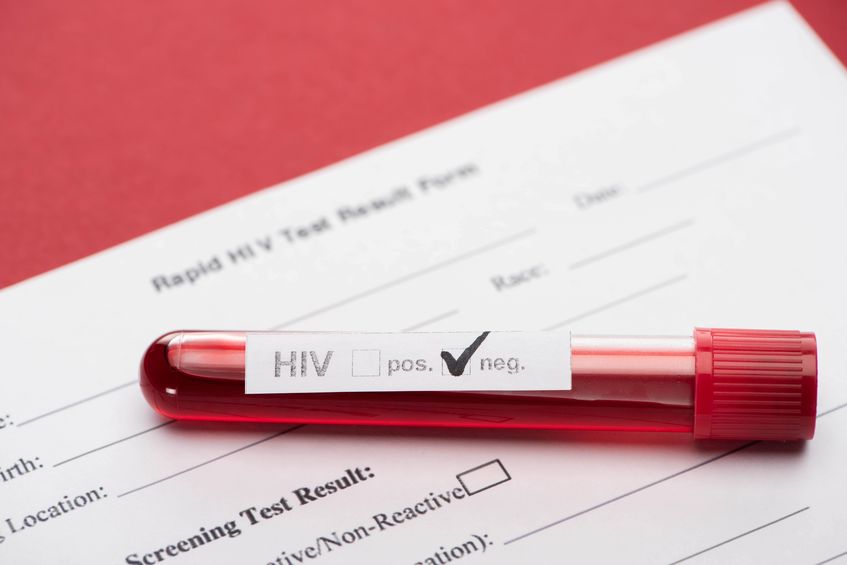
HIV testing is a simple test that looks for the presence of HIV in the body. For teens, the virus is primarily transmitted via sexual contact, particularly unprotected sex. The risk is higher for men who have sex with men (MSM) or those who have sex with an HIV+ individual. Most teens can access rapid tests. A small finger prick or swab inside the mouth can give results in as little as 20 minutes. These tests are available at home or in clinics and healthcare facilities. Sometimes, a more complex lab test is required to confirm the presence of the virus. These tests require a blood draw, with results available in a few days. Tests look for antibodies or antigens that the body produces in response to the HIV virus.
When should teens get tested?
All teens, even those who are not sexually active, should get tested at least once. Not only can testing build the habit for the future, but help teens see that testing is safe, inexpensive, quick, and even painless. Teens who are sexually active or plan to be, need testing more often, at least once yearly. Individuals who have unprotected sex, multiple partners, are unaware of the status of sexual partners, or are in MSM relationships, need more frequent testing. HIV is also transmissible via needles. Teens sharing needles or other drug equipment should consider HIV testing. These situations call for testing 2-4 times yearly.
Are my results safe?
Confidentiality is a significant concern for teens. HIV stigma is still present, especially in families. Some teens are not prepared to share information with others but still want to practice safe sex. The good news is that testing is safe and confidential in many situations. Most teens can access HIV testing without parental permission. Today’s healthcare facilities have teen privacy protocols to encourage teens to visit and get tested. Even when parents are involved, healthcare professionals must handle testing with respect and sensitivity. If a positive diagnosis occurs, these facilities have support and counseling services that help families cope with the disease and get treatment.
The power in knowing your status
HIV testing provides teens with a positive or negative diagnosis. Knowing one’s status is empowering. HIV awareness encourages teens to take fewer risks and practice safer sex. Some teens go a step further, using pre-exposure prophylaxis (PrEP), condoms, and abstinence to keep a negative status. Many teens are pleased to hear that testing is easy, accessible, confidential, and painless in many cases. The sooner one’s status is confirmed, the sooner prevention or treatment can occur.
Recent Posts




Have You Seen Our Outreach Efforts?
You may have seen our table ads in the community. You can download them here: