Prioritizing HIV Prevention Is Empowering
Human immunodeficiency virus (HIV) prevention and treatment have made significant strides. Now more than ever, effective, accessible prevention strategies are available. The risk of contracting the disease, however, remains high, especially for those uninformed about basic HIV prevention measures. Statistics show that over 30,000 new infections occur in the US yearly. In larger states like Texas, these figures are especially concerning among teens and young adults. For some, a lack of information leads to poor HIV prevention habits. Learning HIV prevention is essential for better long-term health, reducing the risk of infection, and even ending the epidemic.
Understanding transmission and protection
The first step in HIV prevention is understanding transmission. HIV is primarily transmitted through the exchange of bodily fluids. Most cases occur during sexual contact, including semen, vaginal fluids, and rectal fluids. An exchange of blood and breast milk with mother and child is another potential transmission route. Some situations have the highest risk of HIV infection. Including unprotected sexual contact, having unprotected sex with multiple partners, and people who inject drugs (PWID) and share needles. Learning these potential risks can help individuals invest in ways to stay protected. There are different HIV prevention strategies available, ranging from medication to productive lifestyle habits.
Standard protection practices remain
As most HIV cases are through sexual contact, staying safe comes down to making healthier, smarter decisions around sex. Condoms remain an effective, accessible, and most affordable form of HIV prevention. When used correctly, condoms create a physical barrier that prevents HIV, sexually transmitted infections (STIs), and even unwanted pregnancy. While discreet and easy to use, effectiveness relies on proper use. HIV awareness helps with prevention tools like abstinence, avoiding risky sexual behaviors, and staying in healthy monogamous relationships. Consistency is key, especially with condom use.
The power of PrEP and PEP
Individuals with a higher risk of HIV infection can take additional precautions through antiviral medication. Prescription pre-exposure prophylaxis (PrEP), for instance, is a daily oral pill that is proven to decrease the risk of HIV infection. When taken consistently, studies show PrEP reduces the chance of contracting HIV through sexual contact by up to 99%. PrEP works by pre-loading the body with medications that stop HIV-related enzymes from establishing in the body. This medication is especially effective for serodiscordant relationships, men who have sex with men (MSM), or those who may not use condoms consistently. Some individuals can benefit from using post-exposure prophylaxis (PEP), a short course of medication after immediate exposure to HIV. PEP is only effective in emergencies and must be started within 72 hours of contact for 28 days.
Routine HIV testing
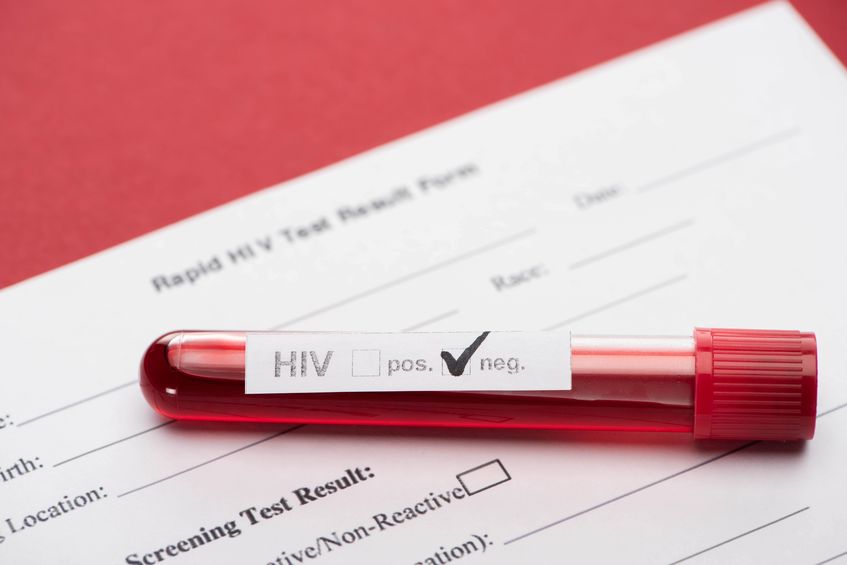
These prevention strategies work when coupled with consistent HIV testing. HIV can only be identified and confirmed through appropriate testing of blood or oral fluids. In many cases, initial HIV infections show minimal symptoms. Testing is the most effective way to know one’s status, take preventative measures, or receive immediate treatment. Anyone sexually active should get tested at least once. Yearly testing is recommended for individuals with a higher risk of infection. HIV testing is easier than ever. At-home oral swab tests can give a result in 30 minutes or less. Additional finger prick or blood draw tests at a laboratory are other options. HIV testing is free or low-cost in many communities and healthcare spaces.
Breaking stigmas leads to prevention
Is breaking the stigma of HIV a preventative measure? In many spaces, discrimination and stigma remain, making access to HIV prevention more challenging. Teens and young people in particular struggle to communicate with adults or fail to seek resources due to fear or shame. When communities, schools, and households embrace non-judgmental dialogue and encourage HIV prevention, individuals feel more supported. People are more encouraged to get tested, use PrEP, and take prevention seriously. Open, honest conversations about sexual health, especially in safe spaces, go a long way in helping everyone feel more empowered.
Take control of your future
HIV prevention may not get much attention due to the improvements in antiviral therapy (ART), causing HIV+ individuals to live longer, healthier lives. These strides do not mean the risk is no longer present. If HIV prevention strategies are not in place, numbers can rise again. Individuals young and old should prioritize HIV testing, condom, and PrEP use. Working together to make safe spaces for conversation also helps. When HIV prevention is easier and non-judgmental, everyone feels more empowered.
Recent Posts




Have You Seen Our Outreach Efforts?
You may have seen our table ads in the community. You can download them here: