HIV Can Stop The Grind
Society has created goal-oriented, modern adults. Millions are working hard to build a life, create businesses, chase goals, and make moves. Yet, a single misstep or bad decision, especially with sexual health, can undo years of hard work. A preventable health crisis, like human immunodeficiency virus (HIV) infection, can jeopardize someone’s future. HIV prevention is not about fear but finding ways to stay on top of health, so nothing stands in the way of progress. Everyone, especially young adults, should be aware of the resources available for optimal HIV prevention. This includes awareness of prevention options, one’s status, and making informed decisions to feel empowered and live fully.
Know your status
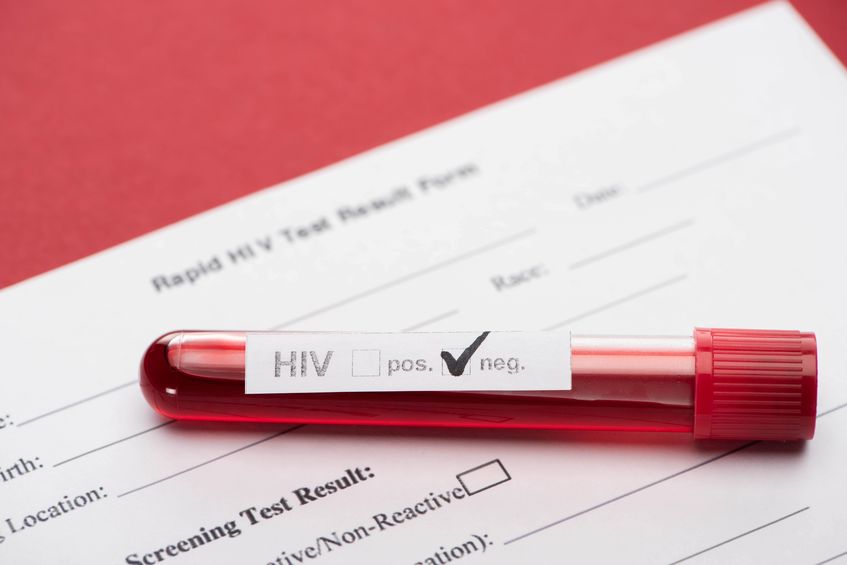
Professional and career goals are all about stats, and knowing one’s HIV status should not be any different. Regular HIV testing gives critical information on next steps. Sexually active individuals should get tested at least once a year, especially those who have unprotected sex. Getting tested more frequently is recommended for individuals with multiple partners or other risk factors. Rapid antibody tests are inexpensive, accessible, and provide quick results within 20-30 minutes. Advanced antigen and nucleic acid tests (NAT) provide more accurate details in high-risk situations. Knowing one’s HIV status allows informed decisions about prevention and treatment. Making testing part of the grind ensures prompt treatment if positive, making HIV manageable while preventing transmission.
Game-changing PrEP
Pre-exposure prophylaxis (PrEP) is an added layer of protection for high-risk individuals. This is a daily medication that reduces HIV transmission risk by over 99% when taken consistently. For HIV-negative individuals who have a higher risk through sexual activity, having an HIV+ partner, or injection drug use, PrEP provides powerful protection. PrEP is a daily pill or periodic injection that is accessible and covered by most insurance plans and assistance programs. Taking PrEP does not mean an individual is engaging in risky behaviors or is doing something wrong. This is a proactive approach to health and safety, especially for those who need no disruptions to life goals.
Condoms still matter
While PrEP prevents HIV effectively, condoms remain important for comprehensive sexual health. Condoms protect against other sexually transmitted infections (STIs) like gonorrhea, chlamydia, syphilis, and herpes that PrEP doesn’t prevent. Using condoms consistently and correctly, combined with PrEP, creates layers of protection. Condoms are widely available, inexpensive, or free at many health centers, and provide immediate protection. Some individuals are concerned about prescriptions or medical appointments due to judgment. The combination of PrEP and condoms, however, offers maximum protection from multiple angles simultaneously.
Undetectable equals untransmittable
In serodiscordant relationships, where someone has an HIV+ partner, understanding treatment effectiveness changes everything. When someone living with HIV undergoes antiretroviral therapy (ART) consistently and maintains an undetectable viral load, HIV cannot be transmitted sexually. This scientific fact, where undetectable equals untransmittable (U=U), means that HIV-positive people who are virally suppressed pose zero transmission risk to partners. Combined with PrEP use, this creates effective protection. An HIV+ status doesn’t automatically mean relationships are risky when proper medical care is maintained. This knowledge reduces stigma and stress that comes with potential judgment. For someone focused on other parts of life, ensuring this part of health and wellness is covered is reassuring.
Prevention as a routine
Effective HIV prevention works as part of a regular routine, not something considered reactively. Set annual testing appointments just like other regular health checks. Use PrEP and condoms consistently, ensuring PrEP prescriptions are properly updated. Young adults should also start thinking about PrEP and look into resources that can provide inexpensive medication. Having honest conversations about sexual health with partners also helps, especially if the risk of infection can hamper long-term goals. Build relationships with partners and healthcare providers based on trust and a shared interest in HIV prevention and protection. Take control of sexual health the same way as exercise, morning routine, or business deals. The future matters too much to allow a preventable condition to get in the way.
Recent Posts




Have You Seen Our Outreach Efforts?
You may have seen our table ads in the community. You can download them here: