Let’s Get Real About HIV Awareness
The next generation faces unique challenges in human immunodeficiency virus (HIV) awareness. With outdated stigmas still around and modern medicine many youths do not know about, HIV continues to be a risk. Teens and young adults, for instance, are growing up in an era where HIV is manageable. Yet, this progress has not translated into widespread awareness. Sharing information has also evolved. Social media and digital resources prove to be an advantage but also have the potential to share misinformation. So why is there still a disconnect between HIV awareness and younger generations? This gap must be filled to improve HIV statistics and eventually end the epidemic. With open dialogue, accurate dissemination of information, and access to resources, increasing awareness is possible.
HIV stats say youth matter
There have been significant strides in HIV treatment. Thanks to antiretroviral therapy (ART), for instance, people can still have long, fulfilling lives. Despite these medical advances, HIV impacts young people at high rates, especially those in underserved communities. Statistics show adolescents and young adults 13-24 account for 19% of all new HIV diagnoses. Many undiagnosed cases also come from this group, with a lack of awareness leading to delays in testing and treatment. Youths are also likely to engage in high-risk behavior without protection or preventive measures. Some groups, like minorities in poorer communities, transgender individuals, people who share needles, and men who have sex with men (MSM) face higher infection rates. Many of these groups have limited access to resources, sexual health education, and prevention services.
Boost awareness with PrEP and PEP
For youths, staying safe and HIV-free starts with increased awareness. Increased education leads to awareness. Youths have access to a wealth of resources and information that needs to be provided in a constructive manner. From school and home guidance to online discussions, younger generations can learn about the disease, potential dangers, and how to stay safe. Many will be surprised to know the preventative options available today. Pre-exposure prophylaxis (PrEP), for instance, can help with HIV prevention when taken consistently. Those engaging in high-risk behaviors like unprotected sex or engaging with multiple partners can increase protection with PrEP. Post-exposure prophylaxis (PEP) is also available when taken within 72 hours of potential exposure which can be an additional safety net. Teens can learn about safe sex practices like condom use, abstinence, and other safety measures.
Make testing a priority
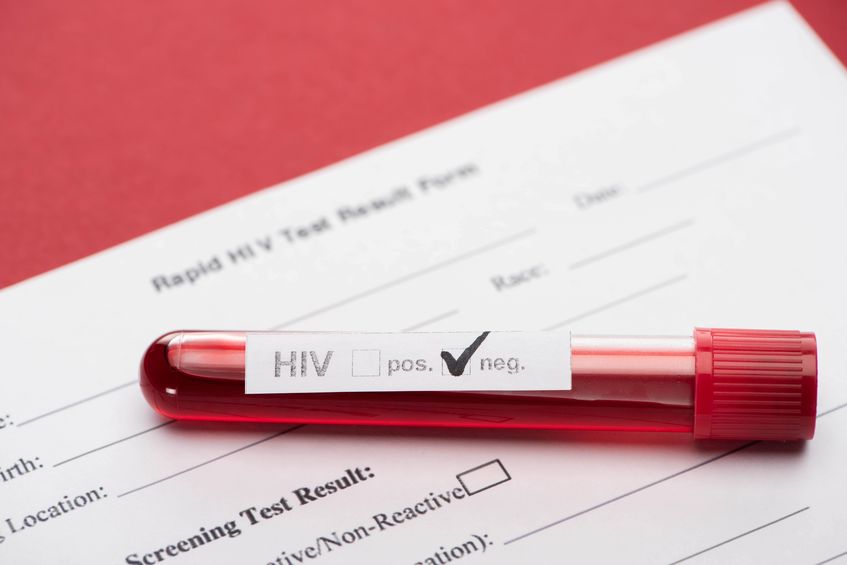
Education reveals that testing plays a critical role in building awareness. Knowing one’s status, protecting others, getting prompt treatment, and becoming an advocate are some of the many benefits of HIV testing. Consistent testing has never been easier with at-home testing available to young adults for a minor cost. Blood tests like antigen tests or nucleic acid tests (NATs) provide a more accurate account of the presence of HIV in the blood. These tests are easy to source, administer, and provide preliminary results in 30 minutes or less. Many facilities and advocacy groups even provide free blood tests throughout the year. Testing is the ultimate form of awareness. A positive diagnosis opens the door for immediate treatment to reduce the viral load. A negative diagnosis builds confidence and encourages youths to get tested with partners and friends.
Communicating in the digital age
The way HIV awareness and communication occur must change. Today, relationships, dating, and conversations around sexual health occur largely within digital spaces. HIV education and communication must also happen in this way. Dating apps, social media communications, and online relationships also require trust. These spaces should provide education, resources, and even testing opportunities for healthier relationships. Technologies should work with stakeholders to encourage honest conversations about sexual health, testing status, and prevention preferences. Factors like consent, trust, and addressing stigmas can also be discussed in person and digitally. By making HIV education comfortable and accessible, awareness increases significantly.
Build awareness, protect your health
HIV awareness and health have a close relationship. Individuals who are aware of the dangers are more likely to practice safer behaviors. Those who are more HIV-aware but involved in high-risk behaviors can stay safe with PrEP, PEP, and consistent testing. Everyone must share accurate information, provide support, and find ways to reduce stigmas. The goal is to normalize testing and treatment, especially since many people can live with an undetectable viral load. Embracing the tools, knowledge, and connections available, a future with low HIV transmission rates is possible.
Recent Posts




Have You Seen Our Outreach Efforts?
You may have seen our table ads in the community. You can download them here: