The Power Of HIV Education
The human immunodeficiency virus (HIV) continues to be a disease that impacts young people and minorities in the US. Granted, there have been significant strides in ending the epidemic over the last 20 years. At the same time, HIV rates remain constant, especially in states like Texas. Statistics show over 4,800 new infections occur every year. While antiretroviral therapy (ART) transformed how HIV is treated, there is still something that is not dropping these figures. The challenge is a lack of HIV education and awareness. The more individuals are educated and aware of the disease, the lower the chances of transmission. Educated individuals make informed decisions, protecting partners and the community.
Where education starts
HIV education is about knowing about the disease, staying safe, and the potential risks of transmission. Most cases of HIV are sexually transmitted, especially among those who have unprotected sex with multiple partners. Having sex with infected partners and men who have sex with men (MSM) also increases the risk significantly. Infections with needles, such as those with people who inject drugs (PWID), are another concern. HIV education should start as early as possible, particularly in schools, hospitals, and in the home. Community initiatives, peer-to-peer information, and advocacy groups play a major role in keeping up to date with trends and informing others about the disease. People should also be aware of rising HIV rates in states and cities, which can encourage better health, safety, and well-being.
Why HIV testing matters
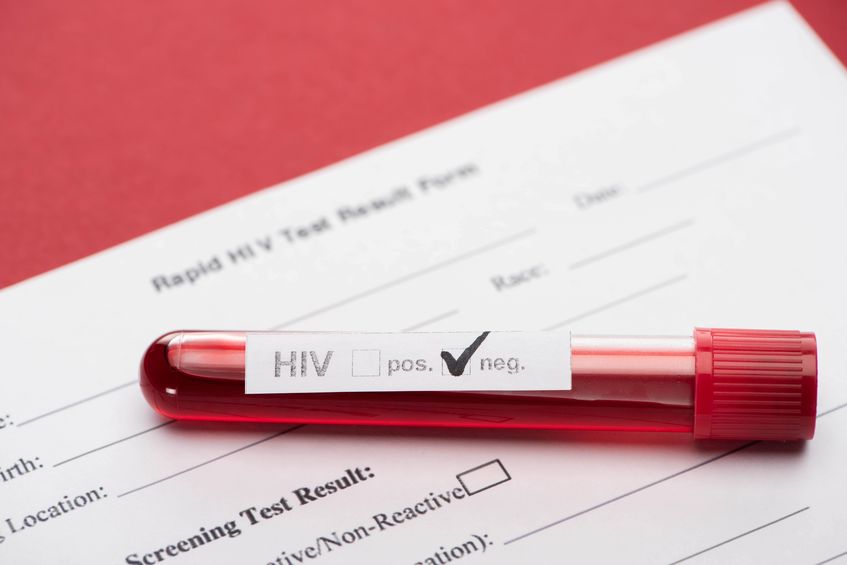
HIV education and awareness do not matter if action is not taken to stay safe and HIV-free. Testing remains the most important action to stay safe, keep others safe, and reduce the spread of the disease. There is at-home rapid testing available that let individuals know if the disease is present. More advanced blood tests performed by a hospital or laboratory confirm the disease and set the stage for treatment. HIV testing is accessible, cost-effective, and necessary for health. Individuals in sexual relationships should get tested at least once yearly. At-risk people, such as MSM or those in serodiscordant relationships, need more frequent testing.
Preventing and living with HIV today
Adequate information helps prevent infection altogether. For instance, statistics show that xx% of people are unaware of pre-exposure prophylaxis (PrEP), a fantastic HIV prevention tool. The medication taken before risky encounters can limit the chances of infection. Testing also helps to quickly identify the disease, inform partners, and get treatment as soon as possible. Thanks to ART, individuals can suppress the disease to the point where HIV is undetectable. Living with HIV today is possible with many individuals who are still enjoying life while taking the necessary precautions and medications.
Get tested, get informed, stay safe
HIV education is central to preventing the spread of the disease, lowering statistics, and ending the epidemic. The more people are aware and take the disease seriously, especially at a young age, the safer individuals will be in the long term. These individuals also become advocates, sharing information with others, encouraging peers to get tested, and limiting risky behaviors. Even with low numbers compared to many years ago, the disease must be taken seriously. Being complacent now will undo the efforts of millions to prevent HIV. Get tested consistently, stay informed, and remain HIV-free.
Recent Posts




Have You Seen Our Outreach Efforts?
You may have seen our table ads in the community. You can download them here: